 |
 |
|
|||||||||||||||||||||||||||||||||||||||||||
 |
 |
 |
 |
 |
 |
 |
 |
||||||||||||||||||||||||||||||||||||||
 |
|||||||||||||||||||||||||||||||||||||||||||||
|
|||||||||||||||||||||||||||||||||||||||||||||
 |
Summer 2011 Issue - Vol. 8, No. 2
Preview the Summer 2011 issue. |
||||||||||||||||||||||||||||||||||||||||||||
|
|
|||||||||||||||||||||||||||||||||||||||||||||
 |
 |
||||||||||||||||||||||||||||||||||||||||||||
 |
|||||||||||||||||||||||||||||||||||||||||||||
|
Fun & Philosophy from the pages of Woodlands & Prairies
If there is to be an ecologically sound society, it will have to come from the grassroots up, not from the top down.---Paul Hawken Miraculous Sister Mary Ann, who worked for a home health agency, was out making her rounds visiting homebound patients when she ran out of gas. As luck would have it, a Texaco gasoline station was just a block away. She walked to the station to borrow a gas can and buy some gas. The attendant told her that the only gas can he owned had been loaned out, but she could wait until it was returned. Sister Mary Ann decided not to wait and walked back to her car. Looking for something in her car that she could fill with gas, she spotted the bedpan she was taking to the patient. The good Sister carried the bedpan to the station, filled it with gas, and carried the bedpan back to her car. As she was pouring the gas into the car’s tank, Ole and Sven were watching from their truck parked across the street. Ole turned to Sven and said, “Iff dat car starts, Ay’m turning Catlic!” Water is the most critical resource issue of our lifetime and our children’s lifetime. The health of our waters is the principal measure of how we live on the land.---Luna Leopold A married man should forget his mistakes. There’s no use in two people remembering the same thing. We have a very fragile and beautiful place to live in, and we need to take care of it.---Commander Mark Kelly, viewing the Earth from aboard the International Space Station. All I ask is a chance to prove that money can’t make me happy.---Stephen Wright My idea of good living is not about eating high on the hog. Rather, to me good living means understanding how food connects us to the Earth.---Ruth Reichl There comes a time in the affairs of man when he must take the bull by the tail and face the situation.---W.C. Fields |
|||||||||||||||||||||||||||||||||||||||||||||
|
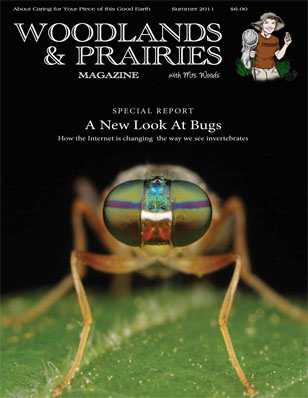
In this issue I share the cover with a Darth Vader type bug that looks like it could take over the world. Insects already have in a way. They’re the most populous animals on the planet. We couldn’t live without them; yet we know surprisingly little about them and appreciate them even less. If you’d sooner squash a bug than study it, this issue may change your mind. If you’re bug lover, I think you’re going to love this issue as well. More details below. ---Mrs. Woods |
|||||||||||||||||||||||||||||||||||||||||||||
 |
 |
||||||||||||||||||||||||||||||||||||||||||||
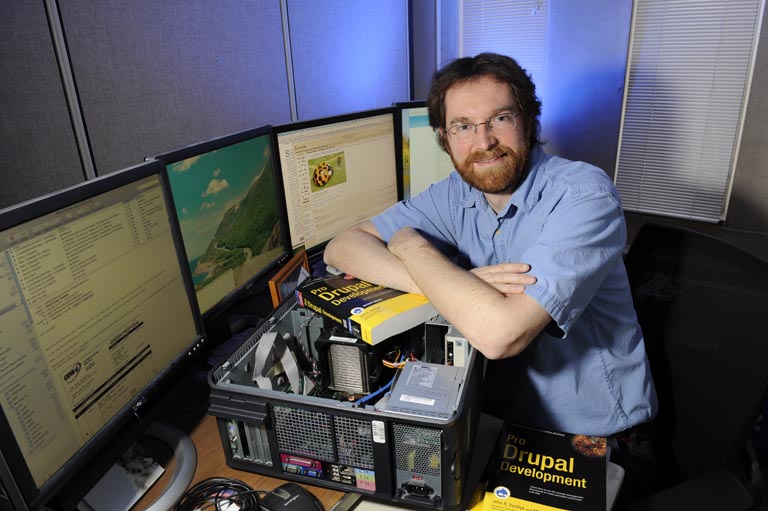
| THE INTERNET has certainly changed the way we look at bugs, with the website, BugGuide.Net, leading the way. The lead story tells how Troy Bartlett created BugGuide.Net for other bug lovers to post photos and exchange information. The website got so many hits that he turned it over to John VanDyk in the entomology department at Iowa State University, which had greater computing capacity. Getting more than 800 million hits a year, BugGuide is bringing amateur and professional scientists together in an online community that’s adding to the knowledge and appreciation of invertebrates. | |||||||||||||||||||||||||||||||||||||||||||||
 |
 |
||||||||||||||||||||||||||||||||||||||||||||
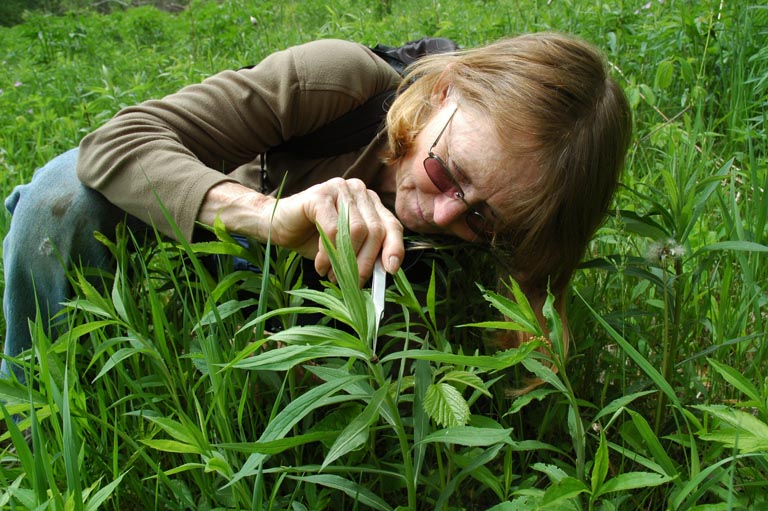
| M. J. HATFIELD gets down low in her prairie to study the highly diverse insect life that hums below the radar of most observers. Our story about this noted citizen scientist shows how amateurs can cooperate with professionals in making new discoveries. Read about the moth she found that's believed to be a new species. | |||||||||||||||||||||||||||||||||||||||||||||
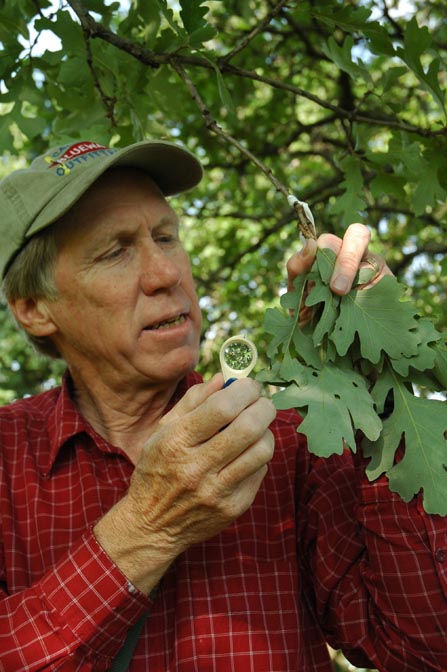
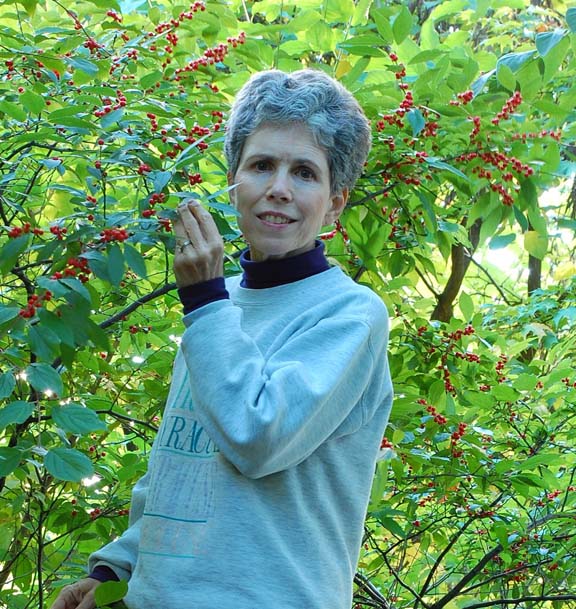
| JOHN PEARSON is a botanist, not a bug guy, but he says in order to preserve biodiversity we need to study all parts of an ecosystem, including invertebrates, fungi and microorganisms. A frequent contributor to BugGuide, Pearson makes use of his botanical expertise by identifying for other BugGuide users what plants their bugs might be chewing on. | |||||||||||||||||||||||||||||||||||||||||||||
 |
|||||||||||||||||||||||||||||||||||||||||||||
 |
|||||||||||||||||||||||||||||||||||||||||||||
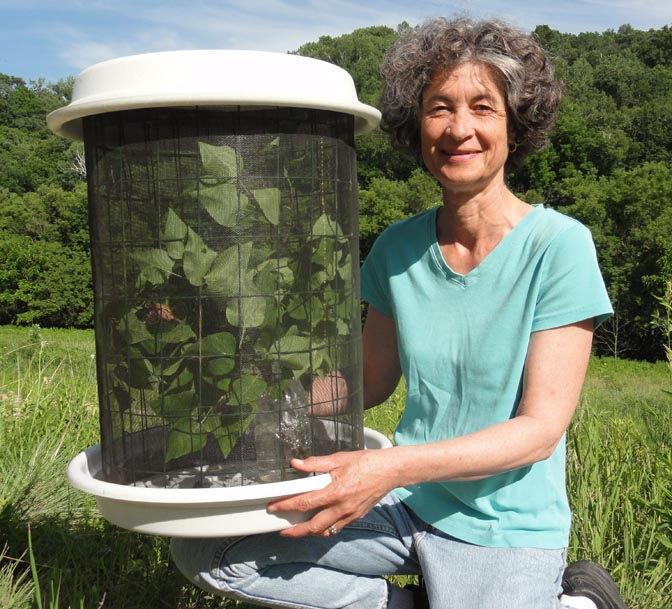
| MARCIE O'CONNOR rears butterflies and moths instead of pigs and chickens on her Wisconsin farm. Photographs in this story illustrate the step-by-step process of taking a sphinx moth through its life cycle---from egg to caterpillar to pupae to adult. Marcie and her husband, Mike, are restoring the farm to its pre-settlement condition and are identifying all of the plants and animals they find. Rearing some of the insects they identify is part of their nature mapping. "It's educational and fun," says Marcie. She's shown here holding one of her rearing cages. | |||||||||||||||||||||||||||||||||||||||||||||
| CELEBRATING THE BEAUTY OF BUGS. This is just one of the eye-popping photographs you'll find in this story featuring the work of photographer Scott Justis. His macro photographs reveal the hidden beauty of insects all around us, but which we overlook because of their small size. This leafhopper is less than a half-inch long. We feature six pages of insects in ways you’ve never seen before. | |||||||||||||||||||||||||||||||||||||||||||||
 |
 |
||||||||||||||||||||||||||||||||||||||||||||
 |
|||||||||||||||||||||||||||||||||||||||||||||
|
|
|||||||||||||||||||||||||||||||||||||||||||||
 |
|||||||||||||||||||||||||||||||||||||||||||||
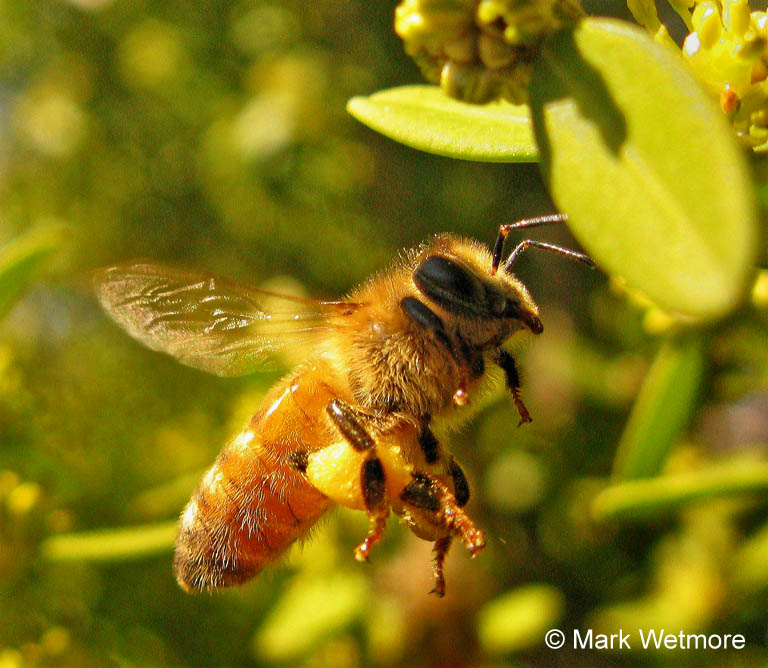
| BACK YARD BEES. If you've ever thought about beekeeping in your back yard, this story about a beekeeper in Indianapolis will help get you started. The growth in community gardens and orchards in urban areas is creating a need for more back yard bee hives, according to the American Beekeeping Federation. | |||||||||||||||||||||||||||||||||||||||||||||
| ELSEWHERE THIS ISSUE Janet Allen takes you on her personal journey as a gardener which began with planting strictly for colors and design and ended with planting for wildlife habitat. "I knew I'd be a gardener my whole life," she writes in this story, "but now I'm gardening for life." | |||||||||||||||||||||||||||||||||||||||||||||
|
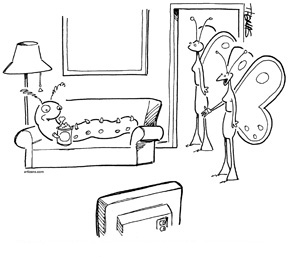
"We've been married 5 years and he still hasn't changed."
|
|||||||||||||||||||||||||||||||||||||||||||||
 |
|||||||||||||||||||||||||||||||||||||||||||||
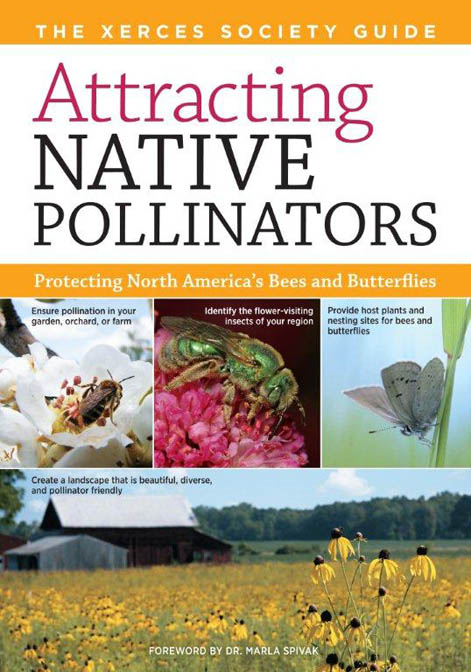
| IN OUR BOOK REVIEW SECTION, you won’t want to miss the review of the important new book, Attracting Native Pollinators, published by the Xerces Society. And then contributor Mark Wetmore offers good reading for less with his review of four great books about bugs for less than $8 each. | |||||||||||||||||||||||||||||||||||||||||||||
| DO YOU HAVE A STORY TO TELL? In this issue I’m renewing our invitation for readers to send in their stories on how they’re restoring the health of the land. These grass roots examples are the best ways to get others involved in this quiet revolution in land management. We need to spread the word. Find out how you can get a copy of this issue to be part of that revolution. -----Mrs. Woods |
|||||||||||||||||||||||||||||||||||||||||||||
|
|||||||||||||||||||||||||||||||||||||||||||||
|
|
|||||||||||||||||||||||||||||||||||||||||||||
|
Midwest Woodlands & Prairies is published four times a year by Wood River Communications.
© by Wood River Communications. Reproduction prohibited without written consent |
|||||||||||||||||||||||||||||||||||||||||||||
|
|||||||||||||||||||||||||||||||||||||||||||||